rk@indtour.in.com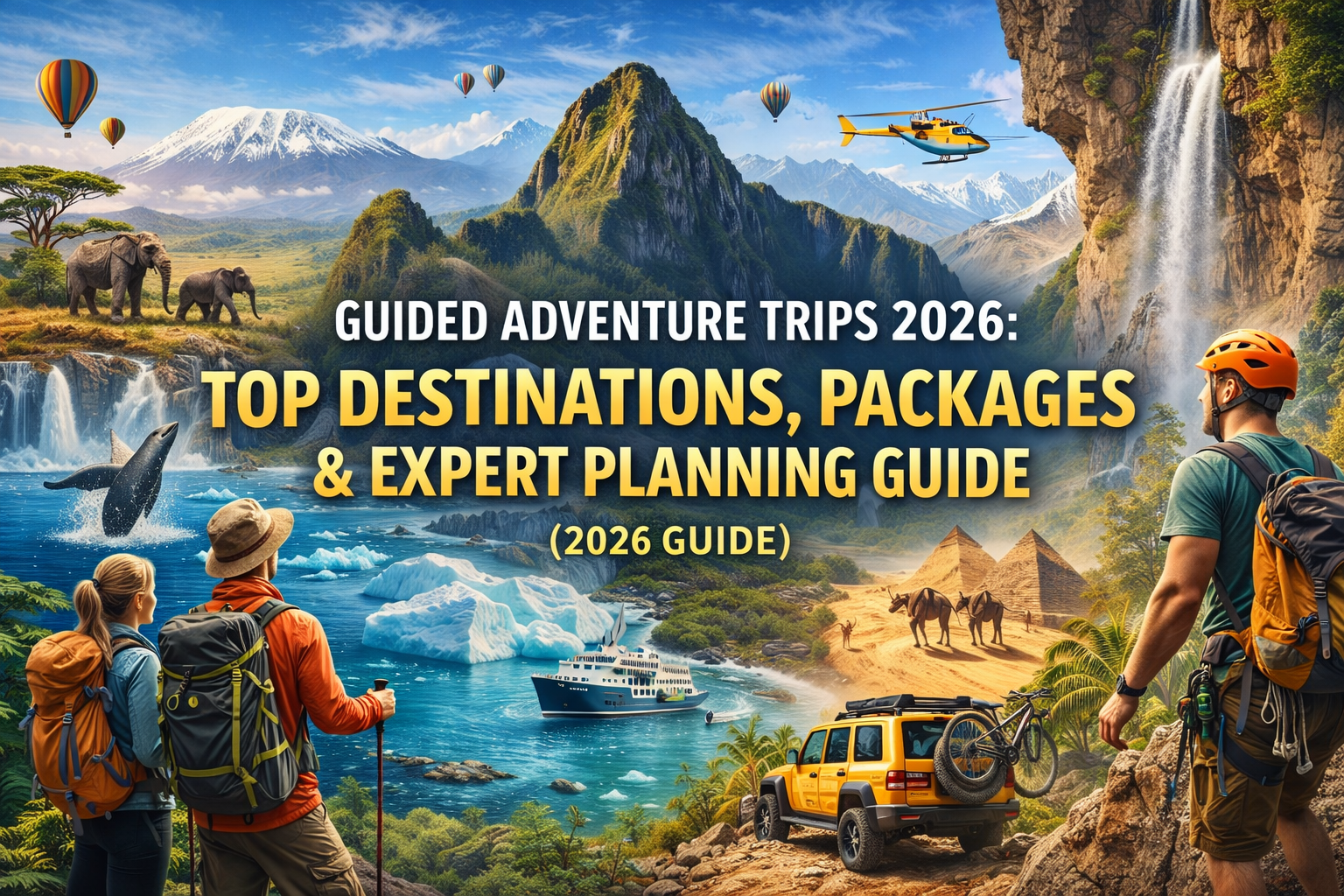
Introduction
Travel today is not just about sightseeing. People want experiences. They want to hike mountains, explore jungles, kayak through rivers, and learn new skills along the way. That’s where guided adventure trips come in.
If you are planning an active holiday but feel unsure about safety, planning, or logistics, a guided adventure tour can solve those problems. These trips combine expert leadership, structured itineraries, and group support so you can focus on the experience instead of worrying about details.
In this complete 2026 guide, you’ll learn what guided adventure trips are, how they work, who they’re best for, how much they cost, and how to choose the right one. Whether you’re a beginner or an experienced traveler, this guide will help you make an informed decision.
What Are Guided Adventure Trips?
Featured Snippet Answer (Quick Summary):
Guided adventure trips are organized travel experiences led by professional guides that focus on outdoor or activity-based experiences such as trekking, rafting, wildlife safaris, cycling tours, or cultural exploration. They include planned itineraries, safety support, and logistics management.
Unlike regular package tours, these trips are built around physical activity, nature exploration, and hands-on experiences.
Common types include:
- Trekking and hiking tours
- Wildlife safaris
- Scuba diving trips
- Mountain biking tours
- River rafting expeditions
- Cultural exploration journeys
Why Choose Guided Adventure Trips?
Planning an adventure on your own can be exciting, but it also comes with risks. Remote locations, unpredictable weather, and unfamiliar terrain require preparation.
Here’s why many travelers prefer guided experiences:
1. Expert Leadership
Professional guides are trained in:
- Navigation
- Safety protocols
- First aid
- Local knowledge
For example, companies like National Geographic Expeditions focus heavily on expert-led experiences.
2. Safety and Support
Safety is a top priority in adventure travel. Reputable tour operators follow standards set by organizations such as the Adventure Travel Trade Association.
You get:
- Risk assessments
- Emergency plans
- Group monitoring
- Equipment guidance
3. Stress-Free Planning
Guided trips usually include:
- Accommodation
- Transportation
- Permits
- Local transfers
- Some meals
This saves time and reduces travel stress.
4. Group Experience
Traveling with like-minded people adds motivation and shared memories. It’s especially helpful for solo travelers.
Types of Guided Adventure Trips
Adventure travel comes in many forms. Choosing the right type depends on your fitness level, interests, and comfort zone.
Trekking and Hiking Tours
These range from moderate nature walks to high-altitude expeditions. Popular destinations include:
- Mount Everest Base Camp
- Inca Trail
Best for:
- Nature lovers
- Fitness-focused travelers
- Photographers
Wildlife Safaris
Guided safaris offer safe wildlife viewing with trained trackers. Popular regions include:
- Serengeti National Park
- Ranthambore National Park
Best for:
- Families
- Wildlife photographers
- First-time Africa or India travelers
Water-Based Adventures
Includes:
- Scuba diving
- Snorkeling
- Whitewater rafting
- Kayaking
Operators often follow safety standards from bodies like Professional Association of Diving Instructors.
Best for:
- Thrill seekers
- Marine life enthusiasts
Cultural Adventure Tours
These combine physical activity with cultural immersion.
Examples:
- Village stays
- Desert expeditions
- Cycling through rural landscapes
Who Should Consider Guided Adventure Trips?
Guided adventure trips are suitable for:
- Solo travelers seeking community
- Couples wanting shared experiences
- Families with older children
- Corporate team-building groups
- First-time adventure travelers
They are also ideal if you:
- Prefer structure over spontaneous planning
- Want expert insights about local culture
- Feel uncomfortable navigating remote areas alone
Cost Breakdown (2026 Estimates)
Prices vary based on destination and duration.
Typical cost ranges:
- Short 3–5 day local trips: $400–$900
- 7–10 day international tours: $1,200–$3,000
- High-altitude or remote expeditions: $3,500+
Costs usually include:
- Accommodation
- Local transport
- Guide fees
- Entry permits
- Selected meals
Not always included:
- Flights
- Travel insurance
- Personal gear
- Tips
Always check detailed inclusions before booking.
How to Choose the Right Guided Adventure Trip
Choosing the right tour requires careful thought.
1. Check the Difficulty Level
Look for clear descriptions:
- Easy
- Moderate
- Challenging
- Technical
If you are new to adventure travel, start with moderate-level trips.
2. Research the Operator
Look for:
- Transparent pricing
- Verified reviews
- Safety certifications
- Clear cancellation policy
You can compare operators listed on platforms like TourRadar.
3. Understand Group Size
Small groups (6–12 people):
- More personalized
- Flexible schedule
Large groups (15–25 people):
- More affordable
- Less flexibility
4. Review the Itinerary
Check:
- Daily activity hours
- Rest days
- Altitude changes
- Backup plans for bad weather
Buying Guide: What to Look for Before Booking
Here’s a practical checklist before confirming your guided adventure trip:
Safety Standards
- Are guides certified?
- Is first aid equipment provided?
- Is emergency evacuation planned?
Insurance Requirements
Many adventure tours require travel insurance covering:
- Medical emergencies
- Trip cancellation
- Adventure sports
Equipment Policy
Some tours include gear; others require personal purchase.
Examples:
- Trekking poles
- Sleeping bags
- Waterproof jackets
Environmental Responsibility
Look for companies that:
- Follow Leave No Trace principles
- Support local communities
- Reduce plastic use
Practical Tips for First-Time Adventure Travelers
- Train Before the Trip
Start basic cardio and strength exercises 4–6 weeks before departure. - Pack Smart
Avoid overpacking. Follow the operator’s packing list carefully. - Stay Hydrated
Dehydration is common in active trips, especially at altitude. - Respect Local Culture
Learn basic phrases and cultural norms of the region. - Build Flexibility
Weather or terrain can change plans. Stay mentally adaptable.
Expert Tip: How to Get Maximum Value from Guided Adventure Trips
As someone who has analyzed hundreds of adventure itineraries, here’s one important insight:
Choose experience quality over luxury comfort.
A smaller group with an experienced guide often delivers more meaningful interactions than a larger, cheaper option.
Also, speak directly with the operator before booking. Ask detailed questions about safety, guide experience, and emergency response. Their response quality often reflects their professionalism.
Real-World Use Case Example
Imagine a first-time trekker planning to visit Annapurna Circuit.
Without guidance:
- Permit confusion
- Route navigation issues
- Altitude sickness risks
With a guided adventure trip:
- Permits arranged
- Acclimatization days scheduled
- Health monitoring included
- Cultural insights shared
The difference in stress level is significant.
FAQs About Guided Adventure Trips
1. Are guided adventure trips safe?
Yes, when booked with reputable operators that follow safety standards and employ trained guides. Always verify certifications and reviews.
2. Are these trips suitable for beginners?
Many tours are designed specifically for beginners. Always check the difficulty level before booking.
3. Do I need special insurance?
Yes. Most operators require travel insurance covering adventure activities and medical evacuation.
4. How far in advance should I book?
Popular destinations sell out 3–6 months in advance, especially during peak seasons.
5. Can I join as a solo traveler?
Absolutely. Many participants on guided adventure trips are solo travelers looking to join small groups.
Conclusion
Guided adventure trips offer a balanced mix of safety, structure, and unforgettable experiences. They remove the stress of planning while keeping the thrill of exploration alive.
Whether you want to trek through mountains, explore wildlife reserves, or paddle through rivers, choosing the right guided experience can transform your journey into something meaningful and safe.
Before booking, research thoroughly, understand the itinerary, check safety standards, and match the trip to your fitness level.
If you’re ready to take your travel experiences to the next level, start exploring trusted operators and compare itineraries carefully.
For more detailed travel planning resources, check out our guides on adventure training, travel insurance, and destination comparisons to make your next journey smarter and safer.