rk@indtour.in.com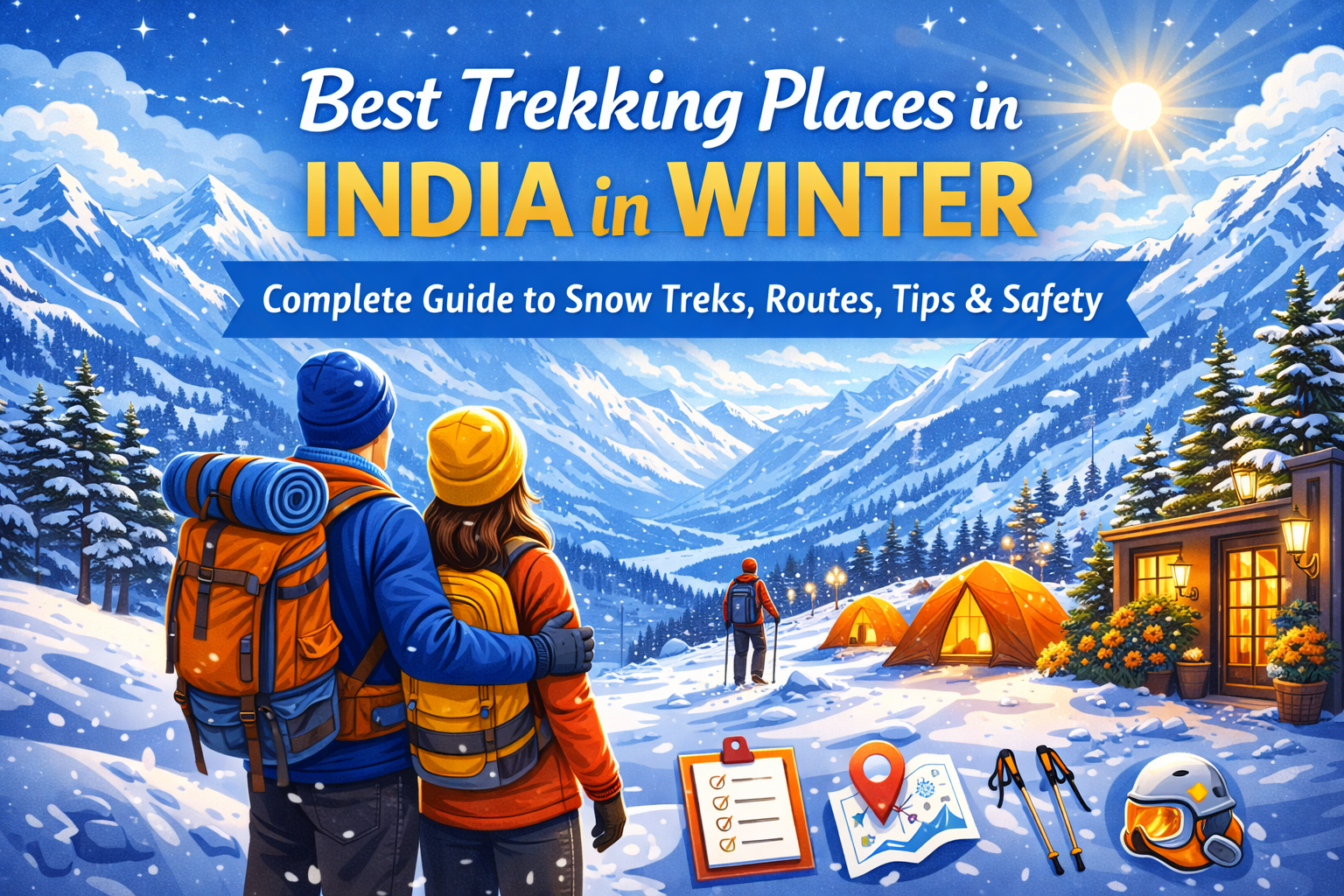
Winter transforms India’s trekking trails into magical landscapes—snow-covered forests, frozen rivers, crystal-clear skies, and peaceful routes far away from crowds. For adventure lovers, winter is one of the best seasons for trekking in India, offering both beginner-friendly snow treks and extreme high-altitude challenges.
If you’re searching for the best trekking places in India in winter, this detailed guide covers top treks, difficulty levels, safety tips, packing lists, costs, and planning advice to help you choose the perfect winter trek.
1. Why Winter Is a Great Season for Trekking in India
Winter trekking in India usually spans from December to March, depending on the region. During this time, the Himalayas receive heavy snowfall, while lower-altitude regions enjoy cool and comfortable weather.
Benefits of Winter Trekking
- Snow-covered landscapes
- Fewer trekkers and quieter trails
- Stunning sunrise and sunset views
- Unique experiences like frozen rivers and alpine camps
- Ideal conditions for snow trekking
Winter treks range from easy beginner routes to extreme expeditions, making the season suitable for a wide range of trekkers.
2. Things to Know Before Choosing a Winter Trek
Before selecting a winter trekking destination, consider the following factors carefully.
Important Decision Factors
- Fitness level – winter treks are more demanding
- Previous trekking experience
- Snow conditions & temperature
- Altitude & acclimatization needs
- Availability of guides & rescue support
- Permits and forest permissions
Unlike summer treks, winter trekking requires better preparation and respect for weather conditions.
3. Best Trekking Regions in India During Winter
India offers diverse winter trekking regions, each with its own charm.
Himalayan Winter Treks
- Heavy snowfall
- Alpine forests and frozen lakes
- Best for snow trekking lovers
Western Ghats Winter Treks
- Cool weather without snow
- Lush greenery
- Ideal for beginners
Desert & Semi-Arid Winter Treks
- Pleasant temperatures
- Cultural landscapes
- Great visibility and comfortable walking conditions
4. Best Trekking Places in India in Winter (Detailed List)
This is the core section of your article and the most searched part by users.
1. Kedarkantha Trek (Uttarakhand)
- Duration: 5–6 days
- Difficulty: Easy to Moderate
- Max Altitude: 12,500 ft
- Best Months: December to March
- Snowfall: High
Kedarkantha is one of the best winter treks in India for beginners. The summit offers a 360-degree Himalayan view, and the trail passes through pine forests and snow-laden campsites.
2. Brahmatal Trek (Uttarakhand)
- Duration: 6 days
- Difficulty: Moderate
- Max Altitude: 12,250 ft
- Best Months: December to March
- Snowfall: Guaranteed
Brahmatal is famous for frozen alpine lakes and breathtaking views of Mt. Trishul and Mt. Nanda Ghunti.
3. Kuari Pass Trek (Uttarakhand)
- Duration: 5–6 days
- Difficulty: Moderate
- Max Altitude: 12,516 ft
- Best Months: December to February
Known as the “Curzon Trail,” Kuari Pass offers some of the best panoramic Himalayan views during winter.
4. Chadar Trek (Ladakh)
- Duration: 9–10 days
- Difficulty: Difficult
- Max Altitude: 11,123 ft
- Best Months: January to February
The Chadar Trek is one of the most extreme winter treks in the world, done on the frozen Zanskar River. Only recommended for experienced trekkers.
Cold-weather safety and frostbite awareness guidelines similar to those shared by the U.S. Centers for Disease Control (CDC) are highly relevant for such treks.
5. Dayara Bugyal Trek (Uttarakhand)
- Duration: 4–5 days
- Difficulty: Easy
- Max Altitude: 12,100 ft
- Best Months: December to February
Dayara Bugyal is ideal for first-time winter trekkers, offering vast snow-covered meadows and gentle trails.
6. Har Ki Dun Trek (Uttarakhand)
- Duration: 7 days
- Difficulty: Moderate
- Max Altitude: 11,768 ft
- Best Months: December to March
A scenic valley trek with cultural villages, Har Ki Dun becomes especially beautiful under snow.
7. Sandakphu Trek (West Bengal)
- Duration: 6–7 days
- Difficulty: Moderate
- Max Altitude: 11,930 ft
- Best Months: December to February
Sandakphu offers rare winter views of four of the world’s highest peaks, including Everest and Kanchenjunga.
8. Rajmachi Trek (Maharashtra)
- Duration: 2 days
- Difficulty: Easy
- Best Months: November to February
Perfect for beginners who want a safe winter trek without snow, Rajmachi combines forts, forests, and mild temperatures.
5. Best Winter Treks in India for Beginners
Beginner-friendly winter treks are crucial for safety and confidence.
Recommended Treks
- Kedarkantha
- Dayara Bugyal
- Nag Tibba
- Triund (early winter months)
These treks have short durations, manageable altitudes, and established routes.
6. Best Snow Treks in India
For trekkers seeking snow adventures:
- Kedarkantha Trek
- Brahmatal Trek
- Kuari Pass Trek
- Chadar Trek
These routes offer consistent snowfall and dramatic winter scenery.
7. Winter Trekking Difficulty Levels Explained
Understanding difficulty levels helps prevent accidents.
- Easy: Suitable for beginners, well-marked trails
- Moderate: Requires basic fitness and prior trekking experience
- Difficult: High altitude, extreme cold, technical sections
Snow significantly increases trek difficulty due to slippery trails and reduced oxygen levels.
8. Best Time & Weather Conditions for Winter Trekking
Month-Wise Overview
- December: Fresh snow, festive rush
- January: Coldest month, deep snow
- February: Stable snow, clearer skies
- March: Melting snow, mixed conditions
Temperatures can range from 5°C to –15°C, depending on altitude.
Weather planning principles similar to those recommended by National Weather Service (USA) help trekkers understand cold exposure risks.
9. Winter Trekking Packing List (Essential Section)
A proper packing list is non-negotiable for winter treks.
Essential Gear
- Thermal base layers
- Insulated down jacket
- Waterproof outer layer
- Snow trekking shoes
- Gaiters
- Woolen socks
- Gloves and balaclava
- Trekking poles
- Headlamp
- Sunscreen and lip balm
For gear selection and layering concepts, outdoor retailers like REI (USA) provide globally accepted cold-weather trekking standards.
10. Safety Tips for Winter Trekking in India
Safety should always come first.
Important Safety Tips
- Acclimatize properly
- Stay hydrated even in cold weather
- Watch for signs of hypothermia
- Walk carefully on snow and ice
- Follow guide instructions strictly
- Avoid solo winter trekking
Winter trekking risks are similar worldwide, and guidelines used by U.S. National Park Service for cold environments apply equally in the Himalayas.
11. Permits, Guides & Trek Operators
Permits
- Forest entry permits
- Local authority permissions
- Special permits for restricted areas
Guides & Operators
- Hiring certified guides is strongly recommended
- Organized treks ensure safety, logistics, and emergency support
- Especially important for snow treks
12. Cost & Budget Planning for Winter Treks
Average Cost
- Budget treks: ₹8,000 – ₹12,000
- Mid-range treks: ₹12,000 – ₹18,000
- Extreme treks (Chadar): ₹30,000+
Cost Includes
- Permits
- Guide fees
- Accommodation
- Meals
- Safety equipment
13. Solo vs Group Winter Trekking
Solo Trekking
- More freedom
- Higher risk in winter
- Not recommended for snow treks
Group Trekking
- Safer
- Cost-effective
- Better emergency handling
For winter conditions, group trekking is always the safer option.
14. Common Mistakes to Avoid in Winter Trekking
- Underestimating cold temperatures
- Wearing improper footwear
- Ignoring acclimatization
- Overpacking or underpacking
- Not checking weather updates
Most winter trekking accidents occur due to poor preparation, not lack of fitness.
15. FAQs: Winter Trekking in India
Is winter trekking safe in India?
Yes, with proper planning, guides, and equipment.
Which trek has the most snow?
Chadar Trek and Brahmatal Trek.
Can beginners do winter treks?
Yes, treks like Kedarkantha and Dayara Bugyal are ideal.
What is the coldest trek in India?
Chadar Trek, with temperatures dropping below –20°C.
16. Conclusion: Choose Smart, Trek Safe
Winter trekking in India offers unmatched beauty and adventure. Whether you’re a beginner looking for your first snow trek or an experienced trekker seeking extreme challenges, choosing the right winter trekking destination is key.
By understanding difficulty levels, weather conditions, safety measures, and proper packing, you can enjoy one of the most rewarding outdoor experiences India has to offer.